
I just finished reading something that got me thinking about society’s discomfort with using the body as a means to succeed. I doubt Sasha Grey’s parents boast about her success in adult films, but I’d bet Nate Silver’s parents are proud of his mathematical brilliance. Today’s world is full of women(and men) who’ve climbed the ladder of fame through their looks—sex tapes, voyeuristic reality shows, nude photo shoots, and sometimes outright absurdity. Yet, society rarely respects someone whose main asset is a great body.
Even when an event is all about appearance—say, a beauty pageant—organizers feel compelled to add a hollow intellectual layer. Remember the Q&A round in Miss World? Or the actress who stripped on screen and insisted the scene was vital to the plot? Let’s drop the moral baggage for a moment and really look at it. What’s the difference between someone using their body to gain attention and someone using their mind? Aren’t both natural gifts? Some people are born smarter than others—so why is it admirable to use intelligence but shameful to leverage beauty?
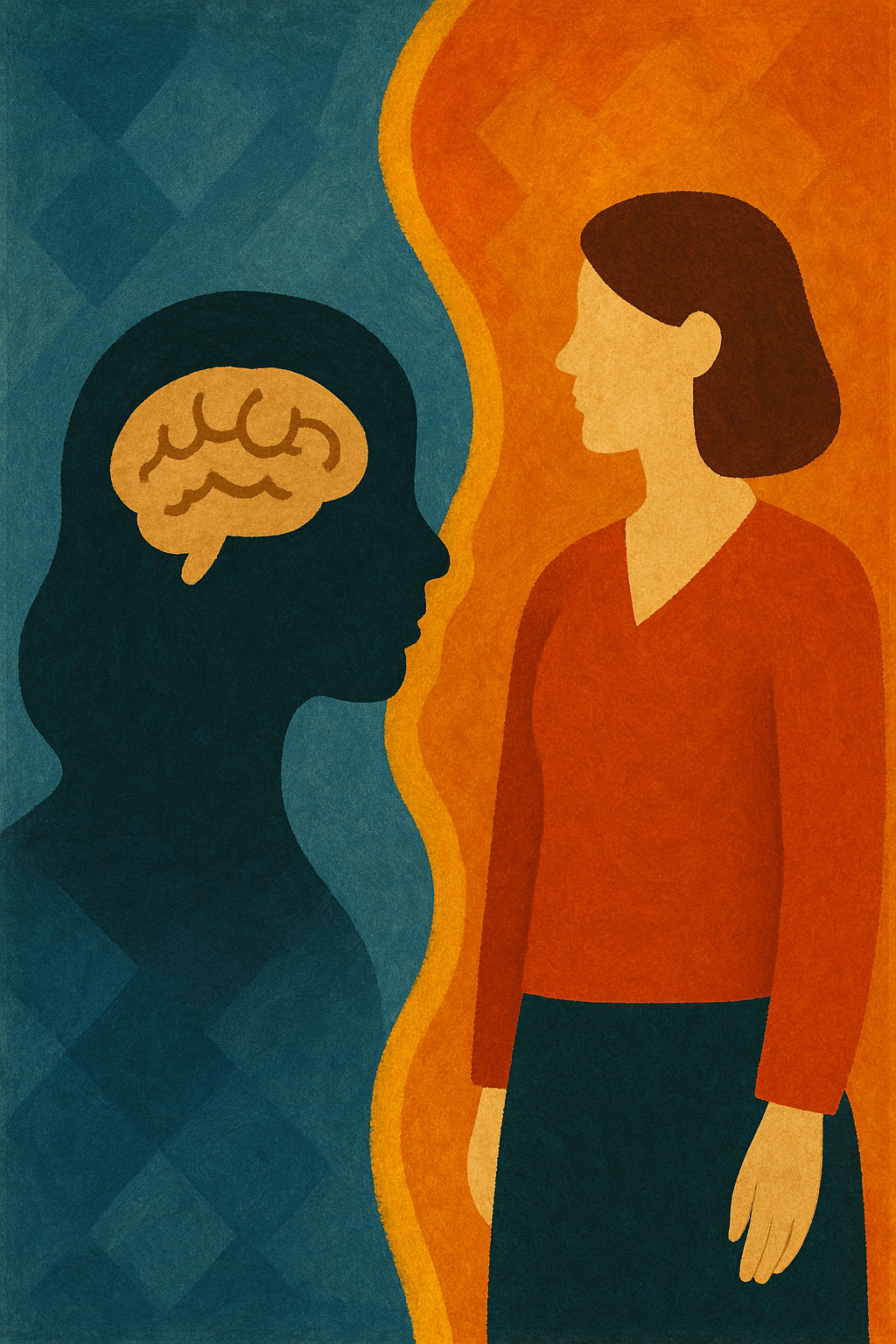
Two reasons come to mind. First, using beauty for personal gain is seen as selfish. It rarely contributes to the collective good. Ask yourself: what has Kim Kardashian done to improve the world? Now contrast that with Einstein, whose intellect helped humanity progress. Intelligence touches lives far beyond the self; beauty rarely does. Society moves forward through brainpower, not good looks.
Second, intelligence is something you can build. Beauty, in contrast, is largely a matter of genetics—you can’t work your way into symmetry. Intelligence rewards effort. It can be sharpened, trained, expanded. That’s why society places it on a pedestal—it’s accessible, at least in part, to everyone. When people push themselves to grow intellectually, it creates a ripple effect that lifts more than just the individual. That’s likely why our ancestors, consciously or not, shaped a culture that reveres the mind over the body. It was never just about fairness—it was about survival, progress, and building something that outlasts us.
 Abhirama's Blog